
Fraud Blocker
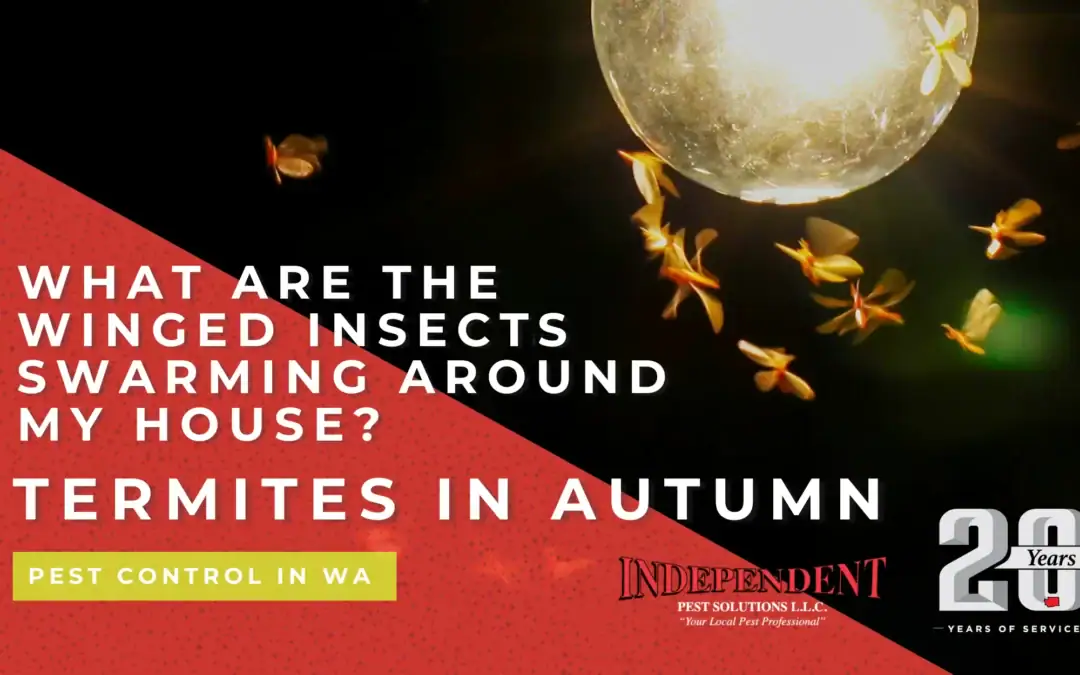
Washington has two main types of termites. Subterranean termites live underground and can cause severe damage to homes, while dampwood termites live and feed in wet or rotting wood. When termite colonies are well established, they produce reproductive winged members calledalates that swarm.
In the Pacific Northwest, some termites swarm in late summer or early autumn. If you notice an abundance of shed wings or dead winged insects, you may have a termite problem on your hands. Termites can damage wood structures, so if there are established termites on your property, it’s important to have the situation assessed promptly. Independent Pest Solutions has the local experience to tackle pest problems.

Types of Termites: How to Identify Your Pest

Washington has two main types of termites. They have different behaviors, so it’s important to identify which type of termite you have on your hands. Termite colonies include reproductive members and soldiers; subterranean termite colonies also have workers. Termites hatch from eggs and develop through immature stages before becoming adults.

Subterranean Termites

As the name suggests, subterranean termites live under the ground. They build their colonies in the soil to stay moist. Their colonies are large and have enclosed tunnels called mud tubes that keep them safe and moist. Mud tubes are made of soil, saliva, and wood. From their underground burrows, they tunnel up to find wood to eat. They can travel long distances to find food sources. Subterranean termites can consume sound, dry wood, unlike other types of termites. That means that they may target your home. Subterranean termites cause the majority of termite damage in America.

Dampwood Termites

Dampwood termites are the other common type of termite in the Pacific Northwest. They are the largest local termites and usually have smaller colonies than subterranean termites. They build their nests on forest floors or in underbrush in wet or rotting wood, such as logs and stumps. In Washington, where the climate is wet and we get lots of rain, dampwood termites thrive. They help decompose and break down rotting wood and consume it. This means they usually don’t target homes unless there’s already an issue, such as damp or decaying siding or leaks. They can definitely make situations worse, but to fix a dampwood termite infestation, you must address the root cause of the home’s moisture problem.
Winged Termites That Can Fly Alates

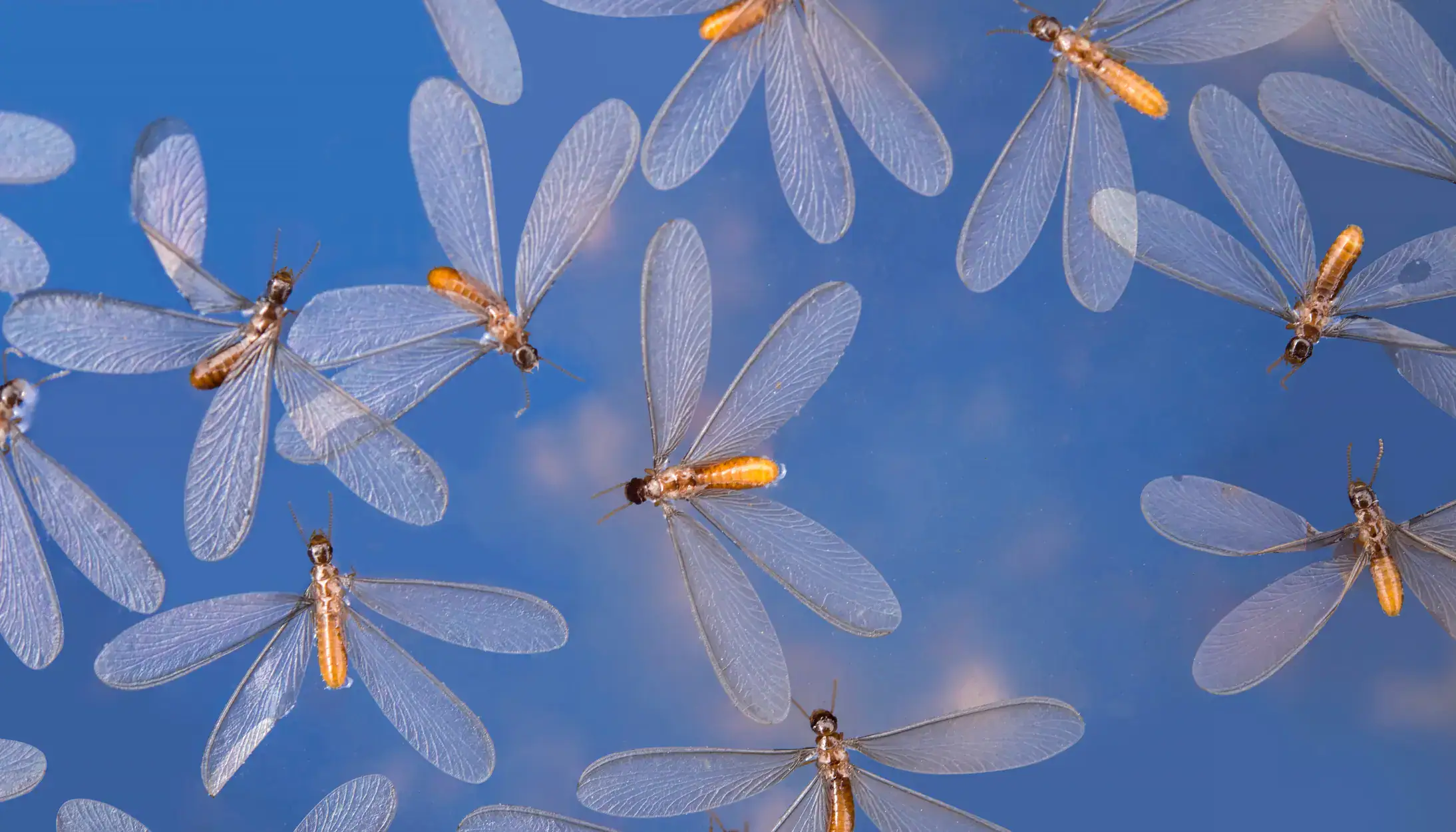
Winged Termites That Can Fly Are Called Alates

When a termite colony is well-established, it starts producing winged individuals called alates. Alates swarm and mate to spread out and start new colonies. They have four wings of roughly equal length that they later shed. If you see a lot of swarming termites, it means that there’s a mature colony nearby.
Subterranean termites may swarm at different times of the year, while dampwood termites usually swarm in late summer or early autumn. Dampwood termites may swarm during the evenings. Termites often swarm after rain because they rely on moisture to survive.

Termite Control

Termites are hard to get rid of, and there’s a lot at stake if they are actively chewing up your house. After finding the areas of termite activity on your property, Independent Pest Solutions can recommend an approach based on the type of termite and the conditions around your home. It’s also important to take preventative measures to eliminate excess moisture, especially when dealing with dampwood termites.

Don’t Let Termites Invade Your Home, Call Independent Pest Solutions Today!

If you have an established termite colony living on your property, don’t try to get rid of it on your own. A do-it-yourself treatment may leave the colony untouched while damage continues. Schedule an inspection with Independent Pest Solutions so we can determine whether you have termites on your property or in your home. If you notice a high volume of winged termites swarming, there may be a colony nearby. Call a pest control expert to find out whether your home is affected.
Independent Pest Solutions

Frequently Asked Questions

1. What’s the difference between a flying termite and an ant?

Termites and ants can both have winged members of their colonies, but thankfully it isn’t too difficult to tell them apart. Winged ants have skinnier waists than termites, their front wings are longer than their back wings, and they have bent antennae rather than the straighter antennae of termites.

2. What are some signs of a termite infestation?

Signs of a termite infestation include mud tubes, soft, hollow wood in the home, discarded wings, and seeing actual members of the termite colony (including swarmers). If you see signs of a termite infestation, it’s good to have a pest control expert take a look as soon as possible.

3. What are the differences between carpenter ants and termites?

In Washington, we have both termites and carpenter ants. The main differences are that carpenter ants have narrower waists, chew wood but don’t actually consume it, and have bent antennae.

4. Do termites bite people?

Although termites have pronounced jaws, they don’t bite humans on purpose. They pose much more of a risk of structural damage than physical harm.

5. Are termites all bad, or do they have some benefits?

As decomposers, termites help return nutrients to the soil and break down decaying matter. Unfortunately, they become pests when they target human buildings.

6. Why do termites swarm?

Environmental factors such as temperature and humidity trigger swarming. They swarm to reproduce and expand the colony.

7. How can I prevent a termite infestation?

You can make your home less inviting to termites by repairing leaks, ensuring your siding and roof deck aren’t rotting, and using downspouts and gutters to divert water away from the house. You can also make sure the landscaping around your home doesn’t have mulch or rotting wood.

8. Where do termites live in America?

Termites are hardy creatures that thrive in a variety of conditions. Subterranean termites are found in every state except Alaska.

9. If I see termite swarmers on my property, does it mean that I have a termite infestation?

Just because you see winged termites doesn’t necessarily mean that termites are infesting your home, just that there’s a colony nearby. If you see swarmers, watch for other signs of termite activity.

10. Are termite alates attracted to light?

Flying termite swarmers may be attracted to light sources such as windows and porch lights. Turning off outdoor lights may reduce the number gathering there, but it will not prevent or treat a termite infestation.

Contact Independent Pest Solutions Now!